A glowing check engine light can quickly turn an ordinary drive into a stressful experience. Whether you are commuting through Pasadena, driving along Colorado Boulevard, or traveling around the San Gabriel Valley, an unexpected dashboard warning can leave you wondering whether your vehicle is safe to drive. More importantly, ignoring the warning may allow a minor mechanical issue to develop into a more expensive repair.
Fortunately, professional check engine light diagnostic near me Pasadena, CA services can help identify what is happening beneath the hood. Instead of guessing which component is failing or replacing parts unnecessarily, a proper diagnostic process helps narrow down the source of the warning and determine the next steps.
At Gabriel’s Auto Service, drivers can find experienced automotive professionals for mechanical repairs, computer engine diagnostics, and other essential vehicle services. The shop is family-owned and operated, with more than 30 years of industry experience and ASE- and AAA-certified technicians. Therefore, when your dashboard displays an unexpected warning, getting the vehicle checked by knowledgeable professionals is a smart step toward protecting its performance and reliability.
Whether the warning appears occasionally or stays illuminated every time you start the engine, understanding the problem is essential. Let’s explore what the check engine light means, why it turns on, and how professional diagnostics can help Pasadena drivers make informed repair decisions.
What Does the Check Engine Light Actually Mean?
The check engine light is part of your vehicle’s onboard diagnostic system. Essentially, this system monitors different engine and emissions-related components to identify operating conditions that fall outside expected parameters.
When the vehicle’s computer detects a problem, it may store a diagnostic trouble code, commonly called a DTC. Consequently, the warning light appears on your dashboard to alert you that the system has detected something that requires attention.
However, the light does not automatically mean that your engine is about to fail. In some situations, the cause may be relatively minor. For example, a loose gas cap can sometimes trigger an emissions-related warning. On the other hand, problems involving ignition components, fuel delivery, sensors, or emissions equipment may require more detailed inspection.
Furthermore, the same warning light can appear for completely different reasons in different vehicles. Therefore, guessing based only on the dashboard symbol is rarely a reliable repair strategy.
A professional diagnostic inspection helps determine what the vehicle’s computer has detected and whether additional testing is necessary.
Why Your Check Engine Light May Turn On
Modern vehicles depend on multiple interconnected systems. As a result, a problem with one component can sometimes affect engine performance, fuel efficiency, emissions, or drivability.
Below are some common reasons why a check engine light may illuminate.
1. Loose or Damaged Gas Cap
A gas cap helps maintain the proper pressure within the fuel system. However, if it becomes loose, damaged, or improperly sealed, the vehicle may detect an evaporative emissions system leak.
In some cases, tightening or replacing the gas cap may resolve the issue. Nevertheless, if the warning remains illuminated, further testing may be necessary.
2. Faulty Oxygen Sensor
Oxygen sensors monitor the amount of oxygen in the exhaust. Therefore, they help the engine control module adjust the air-fuel mixture.
When an oxygen sensor stops working correctly, the engine may use fuel less efficiently or produce higher emissions. Additionally, prolonged operation with certain sensor-related problems may affect other components.
3. Ignition System Problems
Spark plugs and ignition coils play an essential role in engine combustion. If one or more components fail, the engine may misfire, idle roughly, or struggle during acceleration.
Consequently, an ignition-related issue should be diagnosed rather than ignored.
4. Mass Airflow Sensor Issues
The mass airflow sensor measures the amount of air entering the engine. This information helps the vehicle calculate the appropriate fuel delivery.
However, an inaccurate reading can affect engine performance, fuel economy, and drivability. A diagnostic inspection can help determine whether the sensor, wiring, or another related component is responsible.
5. Catalytic Converter Problems
The catalytic converter helps reduce harmful exhaust emissions. Unfortunately, certain engine problems can damage this component or reduce its effectiveness.
For this reason, unusual exhaust smells, reduced acceleration, or recurring warning lights should receive appropriate attention.
6. Evaporative Emissions System Leaks
The evaporative emissions system helps prevent fuel vapors from escaping into the atmosphere. However, damaged hoses, valves, seals, or other components can cause leaks.
As a result, the check engine light may illuminate even when the vehicle appears to drive normally.
Check Engine Light Diagnostic Near Me Pasadena, CA: Why Accurate Testing Matters
When the warning light appears, many drivers immediately search online for possible solutions. Although online information can help explain common problems, it cannot confirm what is wrong with a specific vehicle.
For example, a diagnostic code related to an oxygen sensor does not always prove that the sensor itself has failed. Instead, the code may indicate that the system is receiving an unexpected reading caused by another issue.
Therefore, professional diagnostics involve more than simply connecting a scanner and replacing the component named by a code.
A thorough diagnostic approach may involve:
- Retrieving stored diagnostic trouble codes.
- Reviewing relevant freeze-frame information when available.
- Examining warning light behavior and vehicle symptoms.
- Inspecting related sensors, connectors, and wiring.
- Checking relevant engine and emissions systems.
- Performing additional tests when necessary.
- Identifying the most appropriate repair options.
Moreover, technicians can use the vehicle’s symptoms and test results together to narrow down the source of the problem.
This approach helps reduce unnecessary parts replacement. Ultimately, the goal is to understand why the warning appeared rather than simply making the dashboard light disappear.
What Happens During a Professional Engine Diagnostic?
Understanding the diagnostic process can make your service appointment less stressful. Although testing procedures vary depending on the vehicle and symptoms, a professional inspection generally follows a logical sequence.
| Diagnostic stage | What happens | Why it matters |
| Initial discussion | The technician asks about warning lights and driving symptoms | Helps establish the problem history |
| Computer scan | Diagnostic trouble codes are retrieved | Identifies systems reporting an issue |
| Code interpretation | Available information is reviewed | Helps narrow down possible causes |
| Component inspection | Related parts, connections, and wiring are examined | Helps identify physical or electrical problems |
| Additional testing | Relevant components are tested when needed | Helps confirm the underlying issue |
| Repair recommendation | Findings and possible solutions are explained | Supports an informed repair decision |
First, describing when the warning appeared can provide valuable information. For instance, did it turn on after refueling? Does it appear during acceleration? Has the engine started shaking or losing power?
Next, the technician can compare those symptoms with the diagnostic information. Finally, the appropriate repair can be discussed based on the inspection findings.
Consequently, you can make decisions based on the vehicle’s actual condition instead of relying on assumptions.
Solid or Flashing Check Engine Light: Know the Difference
Not every check engine warning indicates the same level of urgency. In fact, understanding whether the light is solid or flashing can help you respond appropriately.
| Warning light behavior | What it may indicate | Recommended response |
| Solid check engine light | A detected engine or emissions-related fault | Arrange a diagnostic inspection promptly |
| Flashing check engine light | Often indicates an active misfire that may damage the catalytic converter | Reduce driving and stop safely; arrange professional assistance |
| Light appears and disappears | An intermittent fault may be present | Have the vehicle checked, even if the light turns off |
| Light appears with shaking or power loss | A potentially serious engine or ignition problem | Stop driving when safe and seek professional advice |
Importantly, a flashing check engine light should not be treated like an ordinary maintenance reminder. If the engine is shaking, running roughly, overheating, or producing unusual smells, pull over somewhere safe and consider arranging a tow.
On the other hand, a steady light without noticeable symptoms may not require an immediate roadside stop. Nevertheless, it should not be ignored because the underlying issue may become more serious.
Common Symptoms That Should Never Be Ignored
Sometimes, the check engine light appears before a driver notices any obvious performance changes. However, other vehicles display additional symptoms that indicate a developing problem.
Watch for the following warning signs:
- Rough engine idle or unusual vibration.
- Hesitation during acceleration.
- Reduced engine power.
- Unexpected changes in fuel consumption.
- Difficulty starting the vehicle.
- Unusual exhaust smells.
- Repeated engine misfires.
- Poor overall driving performance.
Additionally, pay attention to changes that occur immediately before the warning light appears. For example, if your vehicle begins running roughly after a cold start, that information may help technicians investigate the issue.
Similarly, if the warning appears after refueling, mentioning that detail can help narrow down possible evaporative emissions concerns.
The sooner you arrange an appropriate inspection, the better positioned you are to address the problem before it creates additional complications.
Why Pasadena Drivers Should Choose Professional Mechanical Diagnostics
Finding a dependable auto repair shop involves more than choosing the closest location. Instead, drivers should consider technician qualifications, diagnostic experience, service options, and communication.
Gabriel’s Auto Service brings several relevant qualities to the automotive repair process.
More Than 30 Years of Automotive Experience
Experience matters when diagnosing complicated vehicle problems. Gabriel’s Auto Service has more than 30 years of industry experience. Therefore, drivers can explore automotive services from a business with an established background in vehicle repair.
ASE- and AAA-Certified Technicians
The shop identifies its technicians as ASE and AAA certified. In addition, Gabriel’s Auto Service is listed as an AAA Approved Auto Repair facility. These credentials are useful considerations when selecting professional automotive service.
Family-Owned Service Approach
Vehicle problems can be stressful, especially when the repair involves an unexpected expense. As a family-owned and operated business, Gabriel’s Auto Service emphasizes customer service and treating vehicles with care.
Comprehensive Automotive Services
A check engine light may lead to additional mechanical concerns. Fortunately, the shop offers services that include mechanical repairs, collision repair, tire and alignment services, and smog checks.
You can explore the company’s mechanical repair services to learn more about its broader automotive repair capabilities.
What Can Happen If You Ignore the Check Engine Light?
It may be tempting to continue driving when the vehicle appears to run normally. However, a warning light should never be dismissed simply because the car still starts and moves.
Depending on the underlying problem, ignoring the warning can lead to several consequences.
Reduced Fuel Efficiency
For example, problems involving oxygen sensors, airflow measurement, or fuel delivery may cause the engine to operate inefficiently. Consequently, you may notice more frequent visits to the gas station.
More Extensive Mechanical Damage
Some engine faults can place additional stress on related components. In particular, continued driving with an active misfire may damage the catalytic converter.
Unexpected Breakdowns
Although some faults remain relatively minor, others can develop into serious drivability problems. Therefore, delaying inspection may increase the risk of becoming stranded.
Emissions Inspection Problems
Certain engine and emissions-related faults can affect whether a vehicle passes its required emissions inspection. In California, this is particularly important for drivers preparing for a smog check.
For this reason, addressing warning lights before an inspection can help identify potential problems earlier.
How Check Engine Diagnostics Connect With Smog Checks
Your vehicle’s engine management system and emissions equipment work together to control exhaust output. Therefore, certain problems that trigger the check engine light can also affect emissions testing.
For example, a malfunctioning oxygen sensor or an evaporative emissions leak may cause an emissions-related fault. Additionally, some vehicles may have incomplete onboard diagnostic readiness monitors after repairs or battery disconnection.
However, clearing a diagnostic code does not necessarily repair the underlying problem. In fact, doing so without addressing the cause may simply allow the warning to return.
Gabriel’s Auto Service also provides professional smog check services, including regular and STAR smog checks. Therefore, drivers can explore related emissions services when their vehicle needs attention.
Additional Vehicle Services That Support Long-Term Performance
A reliable vehicle requires more than occasional engine diagnostics. Instead, several systems need appropriate maintenance to support safe and consistent performance.
For instance, worn tires can affect handling, while incorrect wheel alignment may cause uneven tire wear. Similarly, collision damage can affect vehicle components beyond the visible body panels.
Gabriel’s Auto Service offers additional services that may support your overall vehicle maintenance needs.
- Tire and alignment services: Explore tire repair, wheel balancing, and alignment solutions to help maintain proper handling and tire performance.
- Collision repairs: If your vehicle has been involved in an accident, learn more about professional collision repair services.
- Mechanical repairs: For engine-related concerns and other vehicle problems, review the company’s mechanical repair options.
Furthermore, combining appropriate maintenance with timely diagnostics can help drivers identify problems before they interfere with everyday transportation.
How Much Does a Check Engine Light Diagnostic Cost in Pasadena, CA?
The cost of a check engine light diagnostic depends on the vehicle, the warning symptoms, and the amount of testing required.
For example, retrieving a diagnostic code may be relatively straightforward. However, identifying an intermittent electrical problem or investigating a complex engine misfire can require additional inspection time and specialized testing.
The following factors may influence the overall service cost:
| Cost factor | Why it matters |
| Vehicle make and model | Different vehicles use different diagnostic systems |
| Type of warning | Some faults require more investigation than others |
| Diagnostic complexity | Intermittent problems may require additional testing |
| Parts condition | Damaged components may require replacement |
| Labor requirements | Repair time varies depending on accessibility and complexity |
| Additional repairs | Related mechanical issues can increase the total project cost |
Therefore, it is sensible to request an explanation of the diagnostic charges and ask whether the inspection fee is separate from the repair cost.
Additionally, request an estimate before authorizing major repairs. This makes it easier to understand the recommended work and plan your budget.
Tips to Help Prevent Future Check Engine Light Problems
Although no maintenance routine can prevent every mechanical fault, responsible vehicle care can reduce the likelihood of certain problems.
Consider these practical habits:
- Follow the manufacturer’s maintenance schedule. Regular maintenance helps keep essential engine systems in appropriate condition.
- Use the recommended fuel and fluids. Always follow the vehicle manufacturer’s specifications.
- Replace worn ignition components when needed. Spark plugs and related components should be inspected according to the vehicle’s maintenance requirements.
- Pay attention to unusual symptoms. Rough idling, hesitation, and changes in fuel economy deserve attention.
- Address fluid leaks promptly. Certain leaks can contribute to mechanical damage if left unresolved.
- Keep up with emissions-related maintenance. Proper maintenance can help support emissions system performance.
- Do not ignore warning lights. Arrange professional testing when the dashboard indicates a possible fault.
Moreover, keeping records of previous repairs can help technicians understand recurring problems. As a result, future diagnostic appointments may be more productive.
Frequently Asked Questions About Check Engine Light Diagnostics in Pasadena, CA
1. Where can I get a check engine light diagnostic near me in Pasadena, CA?
Drivers in Pasadena can contact Gabriel’s Auto Service at 250 North Hill Avenue, Pasadena, CA 91106. The shop offers computer engine diagnostics and mechanical repair services. Call (626) 792-8986 to discuss your vehicle’s symptoms and arrange service.
2. Can I drive with the check engine light on?
It depends on the warning and the vehicle’s behavior. A steady light without noticeable symptoms may allow you to arrange a prompt inspection. However, if the light flashes or the engine shakes, loses power, overheats, or produces unusual smells, stop safely and seek professional assistance.
3. Does a diagnostic scan tell me exactly which part needs replacement?
Not always. A scan retrieves trouble codes that identify detected faults or abnormal system conditions. However, additional testing may be necessary to confirm the actual cause before replacing a component.
4. Why does my check engine light turn on and then disappear?
An intermittent issue may cause the warning to appear under certain driving conditions. Even if the light turns off, diagnostic information may remain stored in the vehicle’s computer. Therefore, an inspection can still be useful.
5. Can a loose gas cap trigger the check engine light?
Yes. A loose, damaged, or improperly sealed gas cap can sometimes cause an evaporative emissions system warning. Tightening the cap may help, but a persistent warning should be investigated.
6. Will fixing the check engine light help my car pass a California smog check?
It may help if the underlying fault is related to an emissions problem. However, passing a smog inspection depends on the vehicle’s overall emissions condition and applicable testing requirements. A proper repair and appropriate readiness checks are important.
7. How long does check engine light diagnostics take?
The time varies depending on the vehicle and the problem. Retrieving codes may be quick, while intermittent electrical faults or complicated engine problems can require additional testing.
8. Does Gabriel’s Auto Service offer more than engine diagnostics?
Yes. The shop offers mechanical repairs, collision repair, tire and alignment services, and smog checks. Drivers can discuss their vehicle’s needs with the team to determine which services are appropriate.
9. What information should I provide when booking a diagnostic inspection?
Explain when the warning first appeared, whether it is steady or flashing, and whether you have noticed rough idling, reduced power, unusual noises, or changes in fuel economy. Also, mention any recent repairs or maintenance.
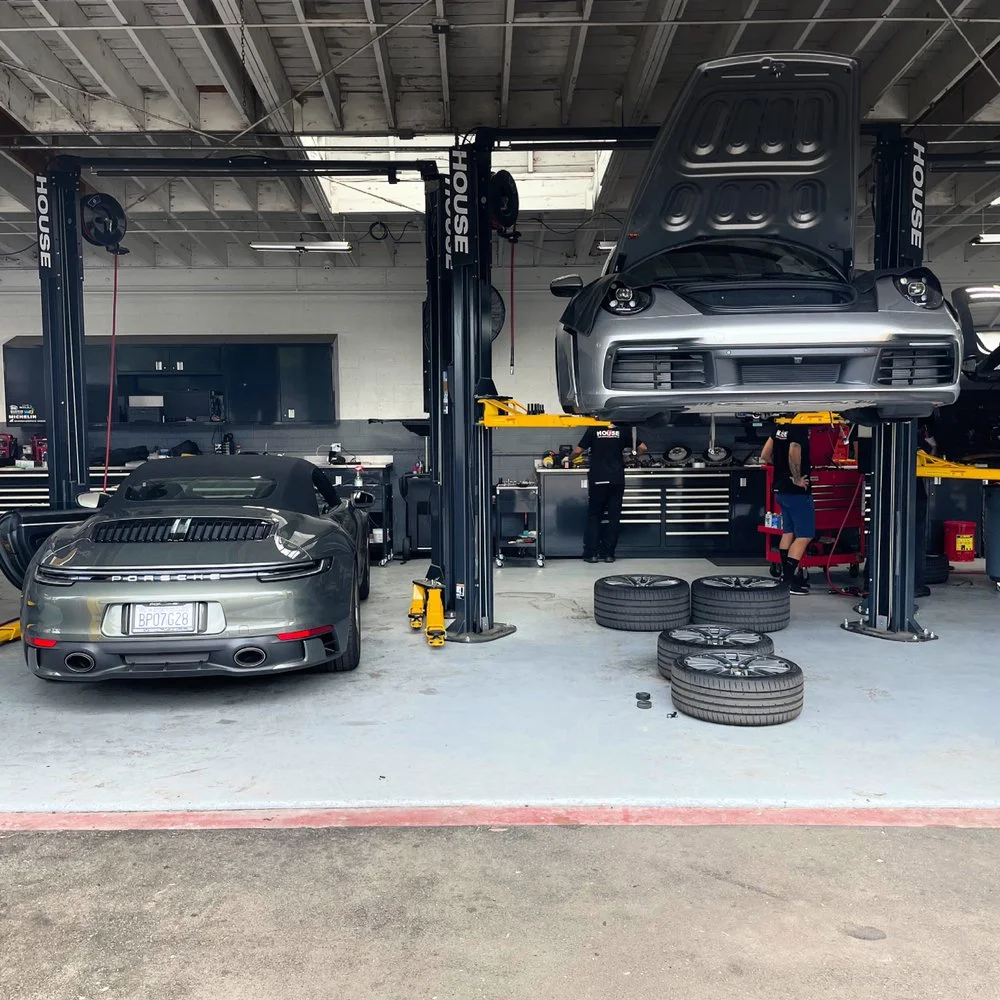
Contact Gabriel’s Auto Service for Check Engine Light Diagnostics in Pasadena, CA
Your vehicle’s check engine light is an important warning, not something to ignore until the next scheduled maintenance appointment. Although some causes are relatively minor, others may affect engine performance, fuel efficiency, emissions, and long-term reliability.
Therefore, getting an accurate diagnosis is one of the smartest steps you can take when an unexpected dashboard warning appears.
Gabriel’s Auto Service provides automotive repair and diagnostic services for drivers in Pasadena. With more than 30 years of industry experience and ASE- and AAA-certified technicians, the family-owned business offers a range of services designed to address different vehicle needs.
Visit the shop at 250 North Hill Avenue, Pasadena, CA 91106, or call (626) 792-8986 to discuss your check engine light concern.
You can also use the Gabriel’s Auto Service contact page to reach the team and request information about your vehicle’s diagnostic needs.
Do not let an unexplained dashboard warning interrupt your peace of mind. Get the problem investigated, understand your repair options, and take the next step toward dependable vehicle performance with Gabriel’s Auto Service.