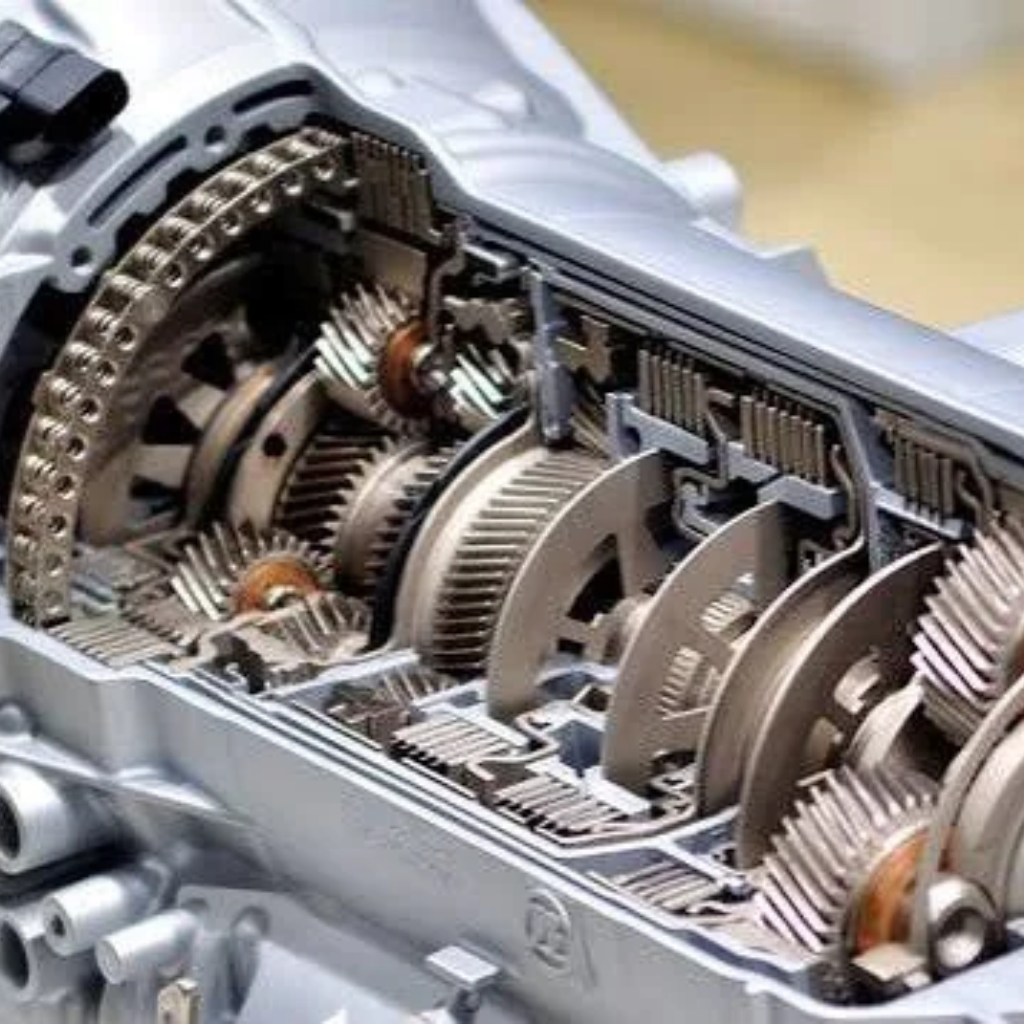
Your vehicle’s transmission plays a crucial role in delivering power from the engine to the wheels. However, because the transmission operates under constant mechanical stress, it requires appropriate maintenance to perform reliably. Over time, transmission fluid can deteriorate, components can wear down, and neglected maintenance may contribute to expensive problems. Therefore, understanding how much transmission service costs San Gabriel Valley, CA can help you plan your vehicle maintenance budget and make smarter decisions before a minor concern becomes a major repair.
At Gabriel’s Auto Service, vehicle owners can explore professional automotive maintenance and repair options to help keep their cars running smoothly. Whether your vehicle needs a routine transmission fluid service, an inspection, or further mechanical diagnosis, understanding the work involved is an important first step.
However, transmission service does not have one fixed price. The final cost depends on your vehicle’s make and model, transmission design, fluid specifications, service method, and overall mechanical condition. Furthermore, a routine fluid change is significantly different from repairing a transmission that slips, leaks, or struggles to shift gears.
In this guide, we explain typical transmission service prices, the factors that affect your estimate, warning signs to watch for, and practical ways to make an informed maintenance decision.
How Much Does Transmission Service Cost in San Gabriel Valley, CA?
The cost of transmission service depends primarily on what your vehicle actually needs. For example, a routine fluid drain-and-fill generally costs less than a service that also includes filter replacement, pan removal, or a more involved fluid exchange.
As a general budgeting guide, drivers may encounter the following approximate U.S. price ranges. These figures are estimates rather than a confirmed price list for Gabriel’s Auto Service or a guaranteed local quote.
| Type of transmission service | Approximate estimated cost |
| Basic transmission fluid drain-and-fill | 100–250 |
| Fluid service with filter and gasket, when applicable | 175–400 |
| Transmission fluid exchange or flush, when appropriate | 150–400 |
| Specialty transmission fluid service | 200–450 or more |
| Transmission diagnostic inspection | Varies by vehicle and diagnostic scope |
| Major transmission repair or replacement | Can cost thousands of dollars |
These ranges are broad planning estimates based on published automotive service cost guides; actual prices vary by vehicle, parts, labor, and service procedure.
Moreover, the term transmission service can describe several different jobs. Consequently, two estimates may look very different even when both use the same service name.
For example, one quote might cover fluid replacement only, while another includes a new filter, a pan gasket, and additional inspection work. Therefore, always ask what is included before comparing prices.

What Does a Transmission Service Actually Include?
A transmission service is intended to maintain the transmission according to the vehicle manufacturer’s requirements. Nevertheless, the exact procedure varies between vehicles.
A routine service may include checking the transmission fluid condition, draining and replacing fluid, inspecting accessible components, and verifying the fluid level using the correct procedure.
Depending on the vehicle, additional work may involve replacing a serviceable filter or pan gasket. However, some modern transmissions use different designs, so the procedure and required parts are not identical across all vehicles.
A typical service may include:
- Reviewing the manufacturer’s recommended maintenance schedule
- Checking for visible transmission fluid leaks
- Evaluating the condition of accessible components
- Replacing fluid with the correct specification when required
- Replacing a serviceable filter or gasket if included in the approved service
- Setting the fluid level according to the manufacturer’s procedure
- Checking for relevant warning lights or diagnostic trouble codes when appropriate
Furthermore, a responsible service recommendation should account for the transmission’s history and current symptoms. If the vehicle already slips, shifts harshly, or makes unusual noises, simply replacing the fluid may not correct the underlying problem.
For help with broader vehicle maintenance and mechanical concerns, explore Gabriel’s Auto Service’s mechanical repair services.
Five Important Factors That Affect Transmission Service Prices
Understanding the factors behind your estimate makes it easier to compare options and avoid paying for work your vehicle does not need.
1. Your Vehicle’s Make and Model
First, consider the vehicle itself. A compact sedan may require a different quantity of fluid and a simpler procedure than a luxury SUV, performance vehicle, or heavy-duty truck.
Additionally, some transmissions require specialized equipment or particular methods to check and set fluid levels. Consequently, labor time and parts costs can vary significantly.
Before requesting an estimate, provide the shop with your vehicle’s year, make, model, and, when available, engine or transmission details.
2. Transmission Type
Automatic, manual, continuously variable transmissions (CVTs), and dual-clutch transmissions can have different maintenance requirements.
For example, a CVT may require a specifically approved fluid designed for its operating characteristics. Likewise, some dual-clutch transmissions use particular fluid specifications and service procedures.
Therefore, using the wrong fluid can cause serious performance problems. Although a less expensive universal product may seem appealing, the correct manufacturer-approved specification should take priority.
3. Fluid Quality and Quantity
Transmission fluid is not simply a lubricant. Depending on the transmission design, it also helps manage hydraulic pressure, heat transfer, and friction characteristics.
Consequently, the required fluid specification and quantity can influence the total bill. Specialty fluids may cost more than conventional options, and a full exchange generally uses more fluid than a basic drain-and-fill.
However, more fluid does not automatically mean better service. Instead, the procedure should match the vehicle manufacturer’s recommendations and the transmission’s condition.
4. Filter, Gasket, and Additional Parts
Some transmission services include a filter and pan gasket, while others do not. In addition, the filter may be externally accessible, serviceable through pan removal, or integrated into a larger assembly.
As a result, parts costs and labor requirements can differ considerably.
Before approving work, ask whether the quoted price includes the necessary parts, fluid, labor, and applicable fees. That way, you can compare estimates more accurately.
5. Your Transmission’s Current Condition
Finally, the existing condition of your transmission can influence the recommended work.
A vehicle receiving routine maintenance may need only a scheduled fluid service. Conversely, a transmission that leaks, slips, shudders, or refuses to shift properly may require diagnostic testing and mechanical repairs.
Therefore, do not assume that a fluid change will resolve every transmission symptom. A proper diagnosis helps identify the actual cause before additional money is spent.
Transmission Fluid Change vs. Transmission Flush: Which Do You Need?
Drivers often hear the terms fluid change, drain-and-fill, and flush used interchangeably. However, these procedures are not necessarily the same.
A drain-and-fill removes a portion of the existing fluid and replaces it with fresh fluid. Depending on the transmission design, some old fluid may remain in internal components and cooler lines.
By contrast, a fluid exchange is designed to replace a larger proportion of the fluid. The exact procedure depends on the equipment, transmission design, and manufacturer’s recommendations.
| Service option | Main purpose | Important consideration |
| Drain-and-fill | Replace a portion of the transmission fluid | Suitable when consistent with the vehicle’s maintenance procedure |
| Fluid and filter service | Replace fluid and a serviceable filter, when applicable | May require additional parts and labor |
| Fluid exchange | Replace a greater proportion of the existing fluid | Must be appropriate for the transmission and its condition |
| Transmission diagnosis | Identify a suspected mechanical or electronic fault | Separate from routine fluid maintenance |
Nevertheless, a flush is not automatically the best choice for every vehicle. The correct approach depends on the manufacturer’s guidance, service history, fluid condition, and any existing symptoms.
If the transmission is already malfunctioning, a mechanic should assess the problem before recommending a fluid procedure. In this way, you can avoid treating a symptom without understanding its cause.
Warning Signs That Your Transmission Needs Attention
Transmission problems do not always begin with a dramatic failure. In fact, some symptoms develop gradually, which is why paying attention to changes in vehicle behavior is important.
Delayed or Harsh Gear Changes
If your vehicle hesitates before engaging a gear or shifts more harshly than usual, there may be a transmission-related issue. However, engine performance, sensors, and other systems can also contribute to similar symptoms.
Therefore, arrange an inspection instead of assuming the problem is caused by old fluid.
Transmission Fluid Leaks
Reddish, brownish, or otherwise unusual fluid beneath your vehicle may indicate a leak, although color alone cannot confirm the fluid’s source or condition.
Furthermore, low fluid levels can contribute to transmission damage in many vehicles. If you notice a suspected leak, have it checked promptly rather than repeatedly topping up the fluid without finding the cause.
Slipping or Unexpected Changes in Engine Speed
If engine speed rises but the vehicle does not accelerate as expected, the transmission may not be transferring power correctly.
Consequently, the vehicle should be evaluated as soon as possible. If it loses drive, shifts unpredictably, or becomes unsafe to operate, stop driving when safe and arrange professional assistance.
Unusual Noises or Burning Smells
Whining, grinding, clunking, or unusual odors can have several causes. Nevertheless, these symptoms should not be ignored, particularly when they appear alongside shifting problems or warning lights.
A timely inspection can help determine whether the issue involves the transmission or another vehicle system.
How Regular Transmission Maintenance Can Protect Your Budget
Preventive maintenance is not a guarantee against mechanical failure. However, following the correct service schedule can help you manage routine vehicle care and identify certain problems before they become more serious.
First, consult your owner’s manual for the recommended transmission fluid type and service interval. Some vehicles have different schedules for normal and severe driving conditions.
Additionally, consider your everyday driving habits. Frequent stop-and-go traffic, towing, heavy loads, and other demanding operating conditions may affect maintenance requirements, depending on the vehicle.
Next, keep records of fluid services, inspections, and repairs. These records help you track completed work and give technicians useful information when diagnosing future concerns.
Finally, address leaks and unusual symptoms early. Although an inspection adds an initial expense, identifying the problem promptly may help you avoid unnecessary repairs or continued operation under unsuitable conditions.
For other vehicle care needs, Gabriel’s Auto Service also offers tire and wheel alignment services. Keeping up with broader maintenance can help you manage your vehicle’s overall condition more systematically.

How to Choose a Reliable Transmission Service Provider in San Gabriel Valley
Price matters; however, choosing a service provider based on the lowest quote alone may not deliver the best value.
Instead, look for clear communication, appropriate diagnostic procedures, and an estimate that explains the work being recommended.
Before authorizing transmission service, consider asking these questions:
- What specific service does my vehicle need?
- Does the estimate include the correct fluid and required quantity?
- Is filter or gasket replacement included, if applicable?
- Is the quoted work routine maintenance or diagnostic repair?
- Are there additional costs if a problem is discovered?
- Will you explain the findings before recommending additional repairs?
- What maintenance schedule does the manufacturer recommend for my vehicle?
Moreover, request an itemized estimate when possible. A clear breakdown of parts, labor, and additional procedures makes it easier to compare quotes and understand the value being offered.
Gabriel’s Auto Service provides a starting point for drivers seeking automotive maintenance and repair assistance. You can also review its collision repair services if your vehicle needs body-related repairs following an accident. Collision repair is separate from transmission maintenance, but understanding the available services can help you plan the appropriate next step for your vehicle.
Can Transmission Service Save You from an Expensive Repair?
Regular maintenance can help support transmission performance, but it cannot prevent every failure.
For example, replacing fluid according to the manufacturer’s recommendations may help maintain appropriate lubrication and operating characteristics. However, worn internal components, electronic faults, damaged seals, and other mechanical issues may still develop.
Furthermore, a vehicle that has already experienced serious transmission symptoms may require more than routine maintenance.
Therefore, the most cost-effective approach is to follow the correct maintenance schedule and investigate unusual symptoms early. Rather than automatically purchasing a flush or additive, ask a qualified technician to determine which procedure is appropriate.
If you are budgeting for service, remember that the price of preventive maintenance and the cost of repairing a damaged transmission are two very different expenses. Consequently, an accurate assessment is more valuable than choosing a service based on price alone.
Frequently Asked Questions About Transmission Service Costs in San Gabriel Valley, CA
1. How Much Does Transmission Service Cost in San Gabriel Valley, CA?
A routine transmission fluid service may cost approximately 100–250 for a basic drain-and-fill, while services involving filters, gaskets, or more extensive fluid exchange can cost more. However, actual prices depend on the vehicle, fluid specifications, labor, and service requirements.
2. How Often Should Transmission Fluid Be Changed?
The recommended interval varies by vehicle and transmission type. Therefore, consult your owner’s manual rather than following a universal mileage recommendation. Driving conditions and manufacturer-specific requirements may also affect the schedule.
3. Is a Transmission Flush Better Than a Fluid Change?
Not necessarily. A flush or fluid exchange replaces a different proportion of the existing fluid than a drain-and-fill. The appropriate method depends on the vehicle manufacturer’s recommendations, service history, and current transmission condition.
4. Can I Drive with Low Transmission Fluid?
Driving with insufficient transmission fluid can cause serious damage in many vehicles. Consequently, a suspected leak or low-fluid warning should be addressed promptly. Follow your owner’s manual and seek professional assistance if you are unsure how to check the fluid safely.
5. Does Transmission Service Include Repairs?
Not always. Routine transmission service generally involves maintenance procedures, while repairing slipping gears, leaks, electronic faults, or damaged internal components may require separate diagnostic work and additional parts or labor.
6. Why Does Transmission Service Cost More for Some Vehicles?
Certain vehicles require specialty fluids, larger fluid quantities, additional labor, or specific equipment to check and set fluid levels. Therefore, transmission design and manufacturer procedures can significantly influence the final cost.
7. Can Fresh Transmission Fluid Fix a Slipping Transmission?
Fresh fluid may be appropriate if the vehicle needs scheduled maintenance, but it cannot reliably repair worn clutches, damaged internal components, or other mechanical failures. A proper diagnosis should come first, especially when slipping is already present.
8. How Can I Get a Transmission Service Estimate from Gabriel’s Auto Service?
Visit the Gabriel’s Auto Service contact page to ask about service availability and request an estimate. Provide your vehicle’s year, make, model, mileage, and any symptoms you have noticed. This information can help the shop determine what additional details are needed to estimate the work.
Get Clear Answers About Transmission Service Costs with Gabriel’s Auto Service
Understanding how much transmission service costs San Gabriel Valley, CA helps you plan maintenance with greater confidence. Although prices vary, knowing the difference between a routine fluid change, a filter service, a fluid exchange, and a mechanical repair makes it easier to evaluate your options.
Furthermore, paying attention to warning signs, following the manufacturer’s maintenance schedule, and keeping accurate service records can help you make more informed decisions about your vehicle.
At Gabriel’s Auto Service, you can explore automotive maintenance and repair options based on your vehicle’s needs. Whether you are arranging routine service or investigating an unusual transmission symptom, the best starting point is a clear assessment and an explanation of the recommended work.
Ready to discuss your vehicle’s maintenance needs? Visit the Gabriel’s Auto Service contact page to request information about service availability and pricing. With the right information and a suitable maintenance plan, you can take a practical step toward keeping your vehicle dependable on the road.