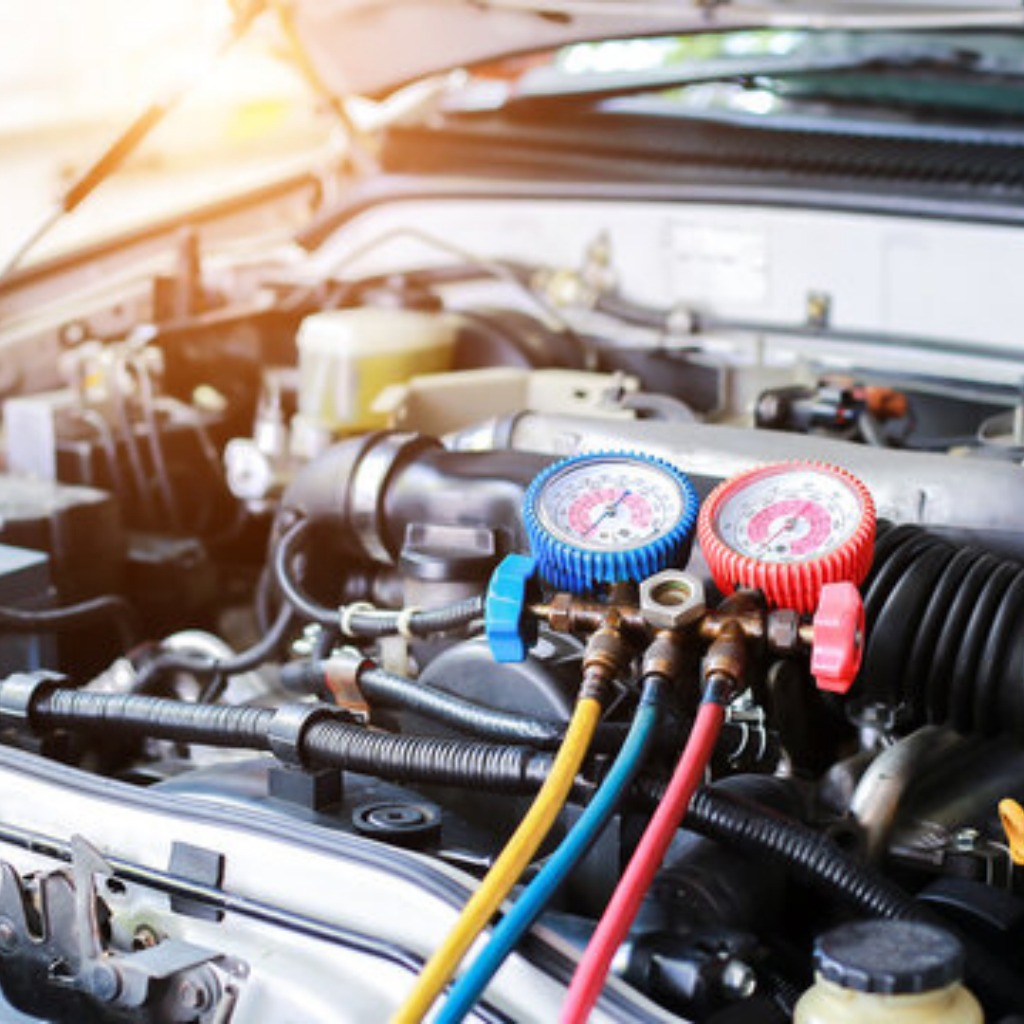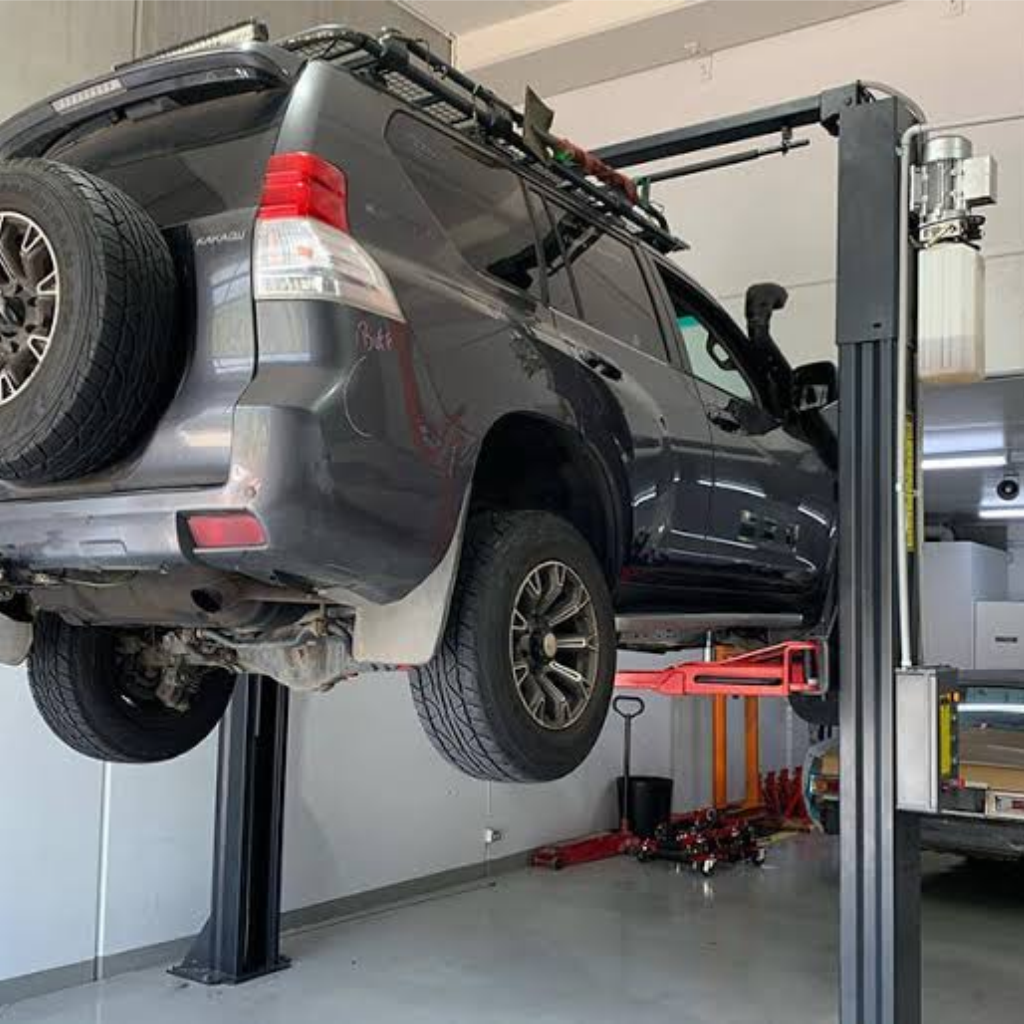
Toyota vehicles are known for their dependable performance, practical engineering, and long-term value. Whether you drive a Corolla, Camry, Prius, RAV4, Highlander, Tacoma, or another Toyota model, regular maintenance is essential to keeping your vehicle operating smoothly. However, even a reliable Toyota needs professional attention as it accumulates mileage. That is why finding a Professional Toyota Mechanic near me in Pasadena, CA can make an important difference in your vehicle’s performance, safety, and overall condition.
At Gabriel’s Auto Service, drivers can explore professional automotive repair and maintenance support for a variety of vehicle concerns. From unusual engine noises and warning lights to tire problems and routine mechanical issues, timely attention can help prevent minor concerns from developing into expensive repairs. Moreover, understanding what your Toyota needs allows you to make better maintenance decisions and enjoy greater confidence behind the wheel.
Whether your Toyota needs an inspection, mechanical repair, tire service, or help identifying an unfamiliar problem, choosing an experienced auto service provider is an important first step. After all, your vehicle deserves careful attention, accurate diagnosis, and practical repair recommendations.
Why Choose a Professional Toyota Mechanic in Pasadena, CA?
Toyota vehicles use advanced automotive systems that require the correct diagnostic approach. Although many repair concerns may appear similar across different manufacturers, the components, maintenance requirements, and diagnostic procedures can vary significantly.
For example, a check engine light may indicate anything from a loose fuel cap to an issue involving an engine sensor or emissions component. Therefore, replacing parts without identifying the actual cause can waste money and leave the original problem unresolved.
A professional mechanic should begin by understanding the symptoms, checking the relevant systems, and explaining the recommended repair. Furthermore, a proper inspection helps identify related concerns before they become more serious.
Here are several reasons Toyota owners should prioritize professional automotive care:
- Accurate problem identification: A proper diagnostic process helps narrow down the source of mechanical and electrical concerns.
- Vehicle-specific maintenance: Different Toyota models and model years can have different service requirements.
- Improved driving safety: Regular inspections help identify problems involving brakes, tires, steering, and suspension.
- Better maintenance planning: Addressing developing issues early can help reduce unexpected repair expenses.
- Long-term vehicle care: Consistent maintenance supports dependable operation and helps protect your vehicle’s condition.
Most importantly, a trustworthy mechanic should explain the problem clearly rather than recommending unnecessary replacements.
Common Toyota Models That Need Regular Professional Maintenance
Toyota produces vehicles for different driving needs. Consequently, maintenance requirements can vary depending on the model, engine, age, mileage, and driving conditions.
For instance, a compact sedan used for daily commuting may experience different wear patterns than a pickup truck regularly carrying heavy loads. Similarly, a hybrid vehicle has additional systems that require appropriate inspection procedures.
The following table highlights common Toyota models and some maintenance areas owners should monitor.
| Toyota model | Common maintenance areas | Why attention matters |
| Toyota Corolla | Engine oil, brakes, tires, battery, filters | Supports dependable everyday commuting |
| Toyota Camry | Engine performance, cooling system, brakes, suspension | Helps maintain comfortable and consistent driving |
| Toyota Prius | Hybrid system, engine, brakes, tires, cooling | Supports the operation of multiple vehicle systems |
| Toyota RAV4 | Engine, transmission, tires, suspension, brakes | Helps maintain performance for daily and longer trips |
| Toyota Highlander | Cooling system, brakes, tires, suspension, fluids | Supports the needs of a larger family vehicle |
| Toyota Tacoma | Brakes, tires, suspension, drivetrain, fluids | Helps manage demanding driving and load conditions |
Nevertheless, this table is a general guide rather than a replacement for your vehicle’s maintenance schedule. Always consider the owner’s manual and the recommendations that apply to your specific model and year.
Important Signs Your Toyota Needs a Professional Mechanic
Your Toyota may provide warning signs before a mechanical problem becomes severe. Unfortunately, many drivers ignore these symptoms because the vehicle continues to operate. However, delaying an inspection can sometimes make the repair more complicated.
Therefore, pay attention to changes in the way your vehicle sounds, feels, or performs.
1. Check Engine Light Appears
The check engine light is one of the most common reasons Toyota owners seek professional diagnostics. Depending on the issue, it may indicate a sensor malfunction, ignition problem, emissions concern, or another engine-related condition.
Although the vehicle might still drive normally, that does not mean the problem should be ignored. Instead, arrange an appropriate diagnostic inspection to identify the trouble code and investigate the underlying cause.
If the check engine light flashes, stop driving when it is safe to do so and seek professional assistance promptly, as a flashing light can indicate a serious engine misfire.
2. Unusual Engine Noise
A healthy engine should operate without unexpected knocking, rattling, squealing, or grinding sounds. Therefore, a new or increasing noise deserves attention.
For example, knocking may indicate an internal engine concern, while squealing could be associated with a belt or another rotating component. However, the sound alone cannot confirm the diagnosis.
A mechanic should inspect the vehicle and determine whether the noise comes from the engine, accessories, or another system.
3. Reduced Fuel Efficiency
If your Toyota suddenly requires more fuel than usual, an underlying maintenance or mechanical issue may be affecting its efficiency.
Possible contributing factors include incorrect tire pressure, worn spark plugs, restricted air filters, sensor problems, or engine performance issues. In addition, traffic conditions and driving habits can also influence fuel consumption.
Consequently, a professional inspection can help determine whether the change is related to maintenance, mechanical performance, or normal driving conditions.
4. Transmission Problems
Transmission concerns can affect acceleration, shifting, and overall driving comfort. You might notice delayed engagement, unusual noises, slipping sensations, or unexpected changes in gear behavior.
However, these symptoms do not always indicate that the transmission itself needs replacement. Instead, the issue could involve fluid condition, electronic controls, sensors, or another related component.
For this reason, avoid guessing or continuing to drive when the symptoms are severe. Arrange a proper inspection to understand what is happening.
5. Steering or Suspension Changes
Does your Toyota pull to one side? Do you hear clunking sounds when driving over bumps? Alternatively, does the steering wheel feel unusually loose or difficult to control?
These symptoms may involve tire condition, wheel alignment, steering components, or suspension parts. Since these systems influence vehicle control, prompt inspection is important.
Toyota Maintenance Services That Help Protect Vehicle Performance
Regular maintenance is about more than keeping your Toyota clean and changing its engine oil. Instead, it involves checking several important systems that work together to support safe and dependable driving.
At Gabriel’s Auto Service, drivers can explore a range of automotive service options through the company’s mechanical repair and maintenance offerings.
Engine Inspection and Mechanical Repair
The engine is one of the most important components of your Toyota. Therefore, unusual noises, overheating, rough idling, reduced power, and fluid leaks should receive proper attention.
A mechanical inspection may involve checking relevant engine components, belts, hoses, filters, ignition components, and fluid conditions. Furthermore, diagnostic testing can help identify problems that are not immediately visible.
Learn more about available mechanical repair services when your Toyota needs professional attention.

Tire Inspection and Wheel Alignment
Your tires directly affect traction, braking, steering response, and driving comfort. Nevertheless, many drivers overlook tire maintenance until they notice visible damage or uneven wear.
Regular tire inspections can help identify:
- Uneven tread wear
- Low or inconsistent tire pressure
- Sidewall damage
- Abnormal vibration
- Reduced tread depth
- Alignment-related wear patterns
In addition, proper wheel alignment can help improve handling and reduce unnecessary tire wear when alignment angles are outside the recommended specifications.
Explore professional tire and wheel alignment services to learn more about caring for your vehicle’s tires and handling.
Emissions System and Smog Check Support
California vehicle owners must also pay attention to applicable emissions requirements. Depending on the vehicle and registration circumstances, a smog inspection may be necessary.
For Toyota drivers, emissions-related concerns can involve the engine management system, oxygen sensors, catalytic converter, or other components. However, a failed emissions test does not automatically mean that every related component needs replacement.
Instead, identifying the actual reason for the failure is essential. Addressing the underlying issue can help restore proper operation and prepare the vehicle for another inspection when appropriate.
Learn more about smog check services for additional information.
Collision Damage Inspection and Repair
Even a dependable Toyota can experience damage from a parking accident, road collision, or unexpected impact. Although some damage may appear cosmetic, an accident can also affect alignment, body components, lights, and other vehicle systems.
Therefore, it is important to have noticeable damage inspected rather than assuming the vehicle is safe because it remains drivable.
Gabriel’s Auto Service also provides information about collision repair services, giving vehicle owners another resource when their cars need attention after an accident.
How Often Should You Service Your Toyota?
The correct maintenance schedule depends on your Toyota’s model year, engine, mileage, operating conditions, and manufacturer recommendations.
For that reason, there is no single service interval that applies to every Toyota. Some maintenance items require more frequent attention, while others are scheduled at specific mileage milestones.
Toyota’s official maintenance guidance recommends consulting the maintenance schedule and owner’s documentation for the requirements that apply to an individual vehicle. You can review Toyota’s official maintenance information for additional guidance.
The following table provides a general maintenance-planning overview. It is not a substitute for the manufacturer’s schedule.
| Maintenance item | What should be checked? | Why it matters |
| Engine oil and filter | Oil level, condition, and replacement interval | Helps protect internal engine components |
| Tires | Pressure, tread depth, and visible damage | Supports traction and safe handling |
| Brakes | Pads, rotors, fluid, and unusual noises | Helps maintain reliable stopping performance |
| Battery | Condition, connections, and charging performance | Supports dependable starting and electrical operation |
| Coolant | Level, condition, and possible leaks | Helps regulate engine temperature |
| Air filters | Condition and replacement needs | Supports proper airflow |
| Suspension | Shocks, struts, joints, and related components | Helps maintain handling and ride quality |
| Transmission | Operation, leaks, and model-specific service requirements | Helps identify shifting or drivetrain concerns |
Furthermore, if you frequently drive in heavy traffic, make short trips, travel on rough roads, or operate your Toyota under demanding conditions, certain maintenance items may require closer attention.
What Makes a Reliable Toyota Mechanic Worth Choosing?
Searching online for a Professional Toyota Mechanic near me in Pasadena, CA, can produce many options. However, choosing the right service provider requires more than selecting the first result.
Instead, consider the quality of communication, inspection process, repair recommendations, and overall customer experience.
Clear Diagnostic Explanations
A professional mechanic should explain what was inspected, what was discovered, and why a repair may be necessary. In addition, you should have an opportunity to ask questions before approving the work.

Transparent Repair Recommendations
Not every issue requires immediate replacement. Therefore, a responsible service provider should distinguish between urgent safety concerns, recommended maintenance, and repairs that can be monitored.
Appropriate Parts and Procedures
Toyota vehicles have specific component and fluid requirements. Consequently, replacement parts and repair procedures should be appropriate for the exact model and year.
When necessary, ask whether the recommended part meets the vehicle manufacturer’s specifications.
Attention to Safety
A reliable inspection should consider important safety-related components, including tires, brakes, steering, suspension, and lighting.
After all, a vehicle that starts and runs normally may still have an issue that affects safe operation.
Convenient Communication
Clear communication helps you understand the expected work, possible repair options, and estimated costs. Moreover, discussing these details beforehand can reduce confusion during the service process.
Why Pasadena Drivers Should Not Ignore Preventive Toyota Maintenance
Driving conditions can influence how quickly certain vehicle components wear. In Pasadena, regular commuting, stop-and-go traffic, summer heat, and longer regional trips may place different demands on a vehicle.
For example, frequent braking can contribute to brake wear, while high temperatures can make cooling-system condition and battery health especially important to monitor.
Similarly, repeated short journeys may prevent some vehicles from reaching their normal operating temperature for extended periods. As a result, following the appropriate maintenance schedule becomes particularly important.
Preventive maintenance offers several practical benefits:
- Earlier problem detection: Inspections can identify developing concerns before they become more serious.
- Improved reliability: Maintaining important systems helps reduce the risk of unexpected breakdowns.
- Better driving confidence: Properly maintained brakes, tires, and steering components support safer vehicle operation.
- More predictable expenses: Planning maintenance can make vehicle ownership costs easier to manage.
- Long-term condition: Consistent care helps protect important vehicle components over time.
Nevertheless, preventive maintenance does not guarantee that a vehicle will never experience a breakdown. Instead, it provides a sensible approach to reducing avoidable risks and maintaining your Toyota responsibly.
How to Prepare for Your Toyota Service Appointment
Before visiting an auto repair shop, take a few minutes to collect useful information about your vehicle.
First, identify your Toyota’s model, year, and approximate mileage. Next, write down any warning lights, unusual noises, leaks, or performance changes you have noticed.
Additionally, consider when the problem first appeared and whether it happens under specific conditions.
For example:
- Does the noise occur when starting the engine?
- Does the vehicle vibrate at highway speeds?
- Does the check engine light remain on or flash?
- Does the transmission hesitate during acceleration?
- Does the steering wheel pull to one side?
- Have you noticed a sudden change in fuel consumption?
These details can help a mechanic understand the concern and determine which inspections may be appropriate.
Furthermore, bring any available maintenance records. Previous repair information can provide useful context and help prevent unnecessary repeat work.
Why Consider Gabriel’s Auto Service for Your Automotive Needs?
Finding a mechanic is not simply about repairing a problem after something goes wrong. Rather, it is about developing a practical approach to vehicle care.
Gabriel’s Auto Service offers information about several automotive service categories that can help drivers address different vehicle concerns. Whether you are researching mechanical repairs, tire and alignment needs, emissions inspections, or collision-related work, reviewing the available services is a useful starting point.
Most importantly, Toyota owners should discuss their vehicle’s specific symptoms and maintenance history before approving repairs. This helps ensure that recommendations are relevant to the actual condition of the vehicle.
If your Toyota needs attention, visit the Gabriel’s Auto Service contact page to find out how to get in touch and discuss your service needs.
Frequently Asked Questions
1. How do I find a Professional Toyota Mechanic near me in Pasadena, CA?
Start by comparing local auto service providers, their repair offerings, customer feedback, and diagnostic approach. Additionally, ask whether the mechanic has experience with your Toyota model and can explain the recommended repairs before beginning the work.
2. Does my Toyota need a specialist for regular maintenance?
Not necessarily. Many routine maintenance tasks can be handled by qualified automotive repair professionals. However, Toyota-specific knowledge can be useful when diagnosing complex engine, transmission, hybrid, or electronic system concerns.
3. How often should I change my Toyota’s engine oil?
The correct interval depends on your Toyota’s model year, engine, oil specification, and driving conditions. Therefore, consult the owner’s manual or official maintenance schedule instead of relying on one interval for every Toyota.
4. What should I do if my Toyota check engine light comes on?
Arrange a diagnostic inspection to identify the cause. If the light is flashing, stop driving when safe and seek professional assistance promptly. Moreover, avoid replacing parts based only on assumptions.

5. Why does my Toyota shake while driving?
Vibration can result from tire imbalance, uneven tire wear, wheel alignment problems, suspension issues, brake concerns, or engine-related conditions. Consequently, a proper inspection is needed to identify the source.
6. Can regular maintenance help my Toyota last longer?
Consistent maintenance helps protect important components, identify developing issues, and support dependable operation. However, vehicle lifespan also depends on driving habits, operating conditions, repair quality, and overall vehicle care.
7. Is wheel alignment important for Toyota vehicles?
Yes. Proper wheel alignment helps maintain predictable handling and can reduce uneven tire wear. If your Toyota pulls to one side or the tires show unusual wear patterns, an alignment inspection may be appropriate.
8. What information should I provide before booking a Toyota repair?
Provide your vehicle’s model, year, mileage, warning lights, symptoms, and recent repair history. In addition, explain when the issue occurs so the mechanic can better understand the concern.
9. Can a Toyota pass a smog check if its check engine light is on?
A check engine light can indicate an emissions-related problem, and an illuminated malfunction indicator may affect California smog inspection results. Therefore, have the cause diagnosed and follow the applicable repair and inspection requirements before retesting.
10. How can I contact Gabriel’s Auto Service?
You can visit the Gabriel’s Auto Service contact page to review the available contact information and ask about your automotive service needs.
Choose Professional Automotive Care for Your Toyota in Pasadena, CA
Your Toyota is an important investment, and keeping it in good condition requires consistent attention. From routine maintenance and tire inspections to engine diagnostics and mechanical repairs, every service decision can influence your vehicle’s reliability and driving experience.
Therefore, do not wait until a small warning sign becomes a major concern. Instead, pay attention to unusual sounds, dashboard warnings, changing performance, and scheduled maintenance requirements.
If you are searching for a Professional Toyota Mechanic near me in Pasadena, CA, Gabriel’s Auto Service is a place to explore for automotive repair and maintenance support. Review the available services, explain your vehicle’s concerns, and ask questions before approving any recommended work.
Ultimately, informed maintenance decisions, timely inspections, and appropriate repairs can help you enjoy greater confidence every time you get behind the wheel.